
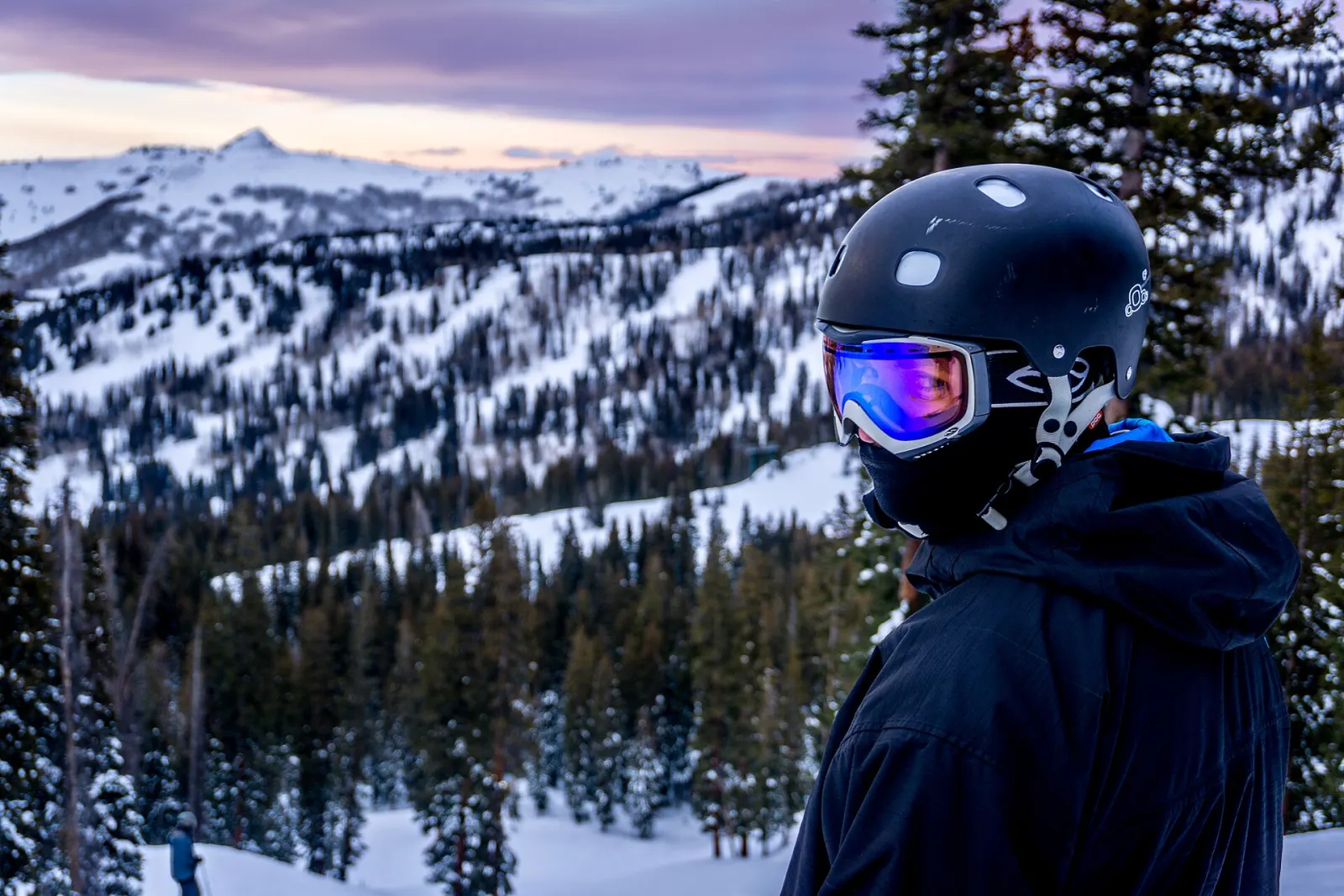
Throughout the day on the slopes, the weather, the wind and your level of effort keep changing: you get cold waiting on the chairlift and sweat on the way down. A single thick jacket can’t keep up with these changes. The solution is layering, the same system mountaineers use.
1. Base layer: Wicks away sweat
The job of the first layer against your skin isn’t to keep you warm, but to move sweat away from your skin. Synthetic or merino wool base layers do this well. Avoid cotton: cotton absorbs sweat, stays wet and chills you quickly.
2. Mid layer: Holds in heat
A fleece or a thin puffer vest/jacket is the layer that holds in your body heat. You can adjust its thickness to how cold it is; on a sunny spring day, you might skip the mid layer altogether.
3. Outer layer: Blocks snow and wind
A waterproof, windproof jacket and pants. A good outer layer also “breathes,” meaning it lets moisture from the inside escape. Since beginners spend more time sitting in the snow, waterproof pants are especially important.
Don’t forget your extremities
- Hands: Waterproof gloves; in very cold weather, you can add thin liner gloves.
- Feet: A single pair of ski socks. Thick socks or two pairs restrict circulation and actually make your feet colder.
- Head and neck: A helmet, a thin beanie under the helmet, and a neck gaiter.
- Eyes: Ski goggles; they prevent eye strain in snowy and sunny weather.
Adjust throughout the day
When you feel yourself sweating, open your zippers or take off your mid layer; when you start to feel cold, add a layer right away. A wet body gets cold much faster than a dry one.
If you don’t have ski clothing, you can rent a ski jacket and pants from our Ski Rental Center; current prices are on our rental prices page.